

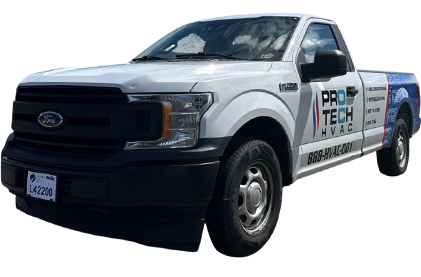
Trusted HVAC Installation Services for Selbyville Residents
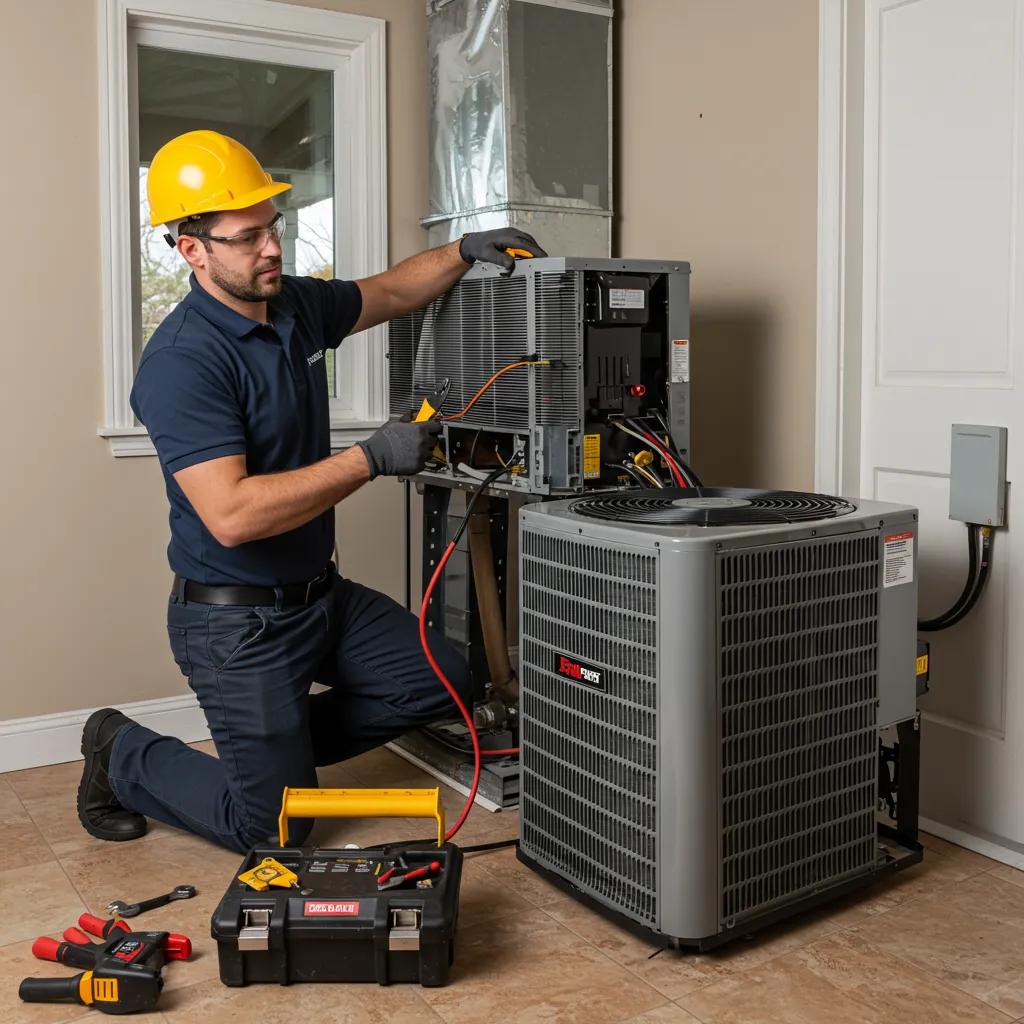
Expert HVAC Installation in Selbyville: New & Replacement Systems
A professional HVAC installation involves replacing or fitting the heating, ventilation, and air conditioning components that manage your home’s comfort. This ensures your systems operate safely, efficiently, and reliably. This guide will walk you through how HVAC installation services in Selbyville address local climate needs, what homeowners can expect when selecting and installing a new system, and how proper installation leads to long-term energy savings and improved indoor air quality. Many Selbyville homeowners face choices between air conditioners, furnaces, heat pumps, ductless mini-splits, and hybrid dual fuel systems. This article provides clear decision criteria based on efficiency metrics like SEER and HSPF, as well as equipment lifespan and installation complexity. You’ll learn about step-by-step installation processes, detailed cost factors and typical price ranges, preparation checklists for installation day, and maintenance recommendations to safeguard your investment. The following sections compare system types, explain how PROTECH HVAC supports expert installations, quantify the benefits of new systems, break down cost and financing options, and answer common homeowner questions about installation services for year-round comfort in Selbyville.
What Types of HVAC Installation Services Are Available in Selbyville?
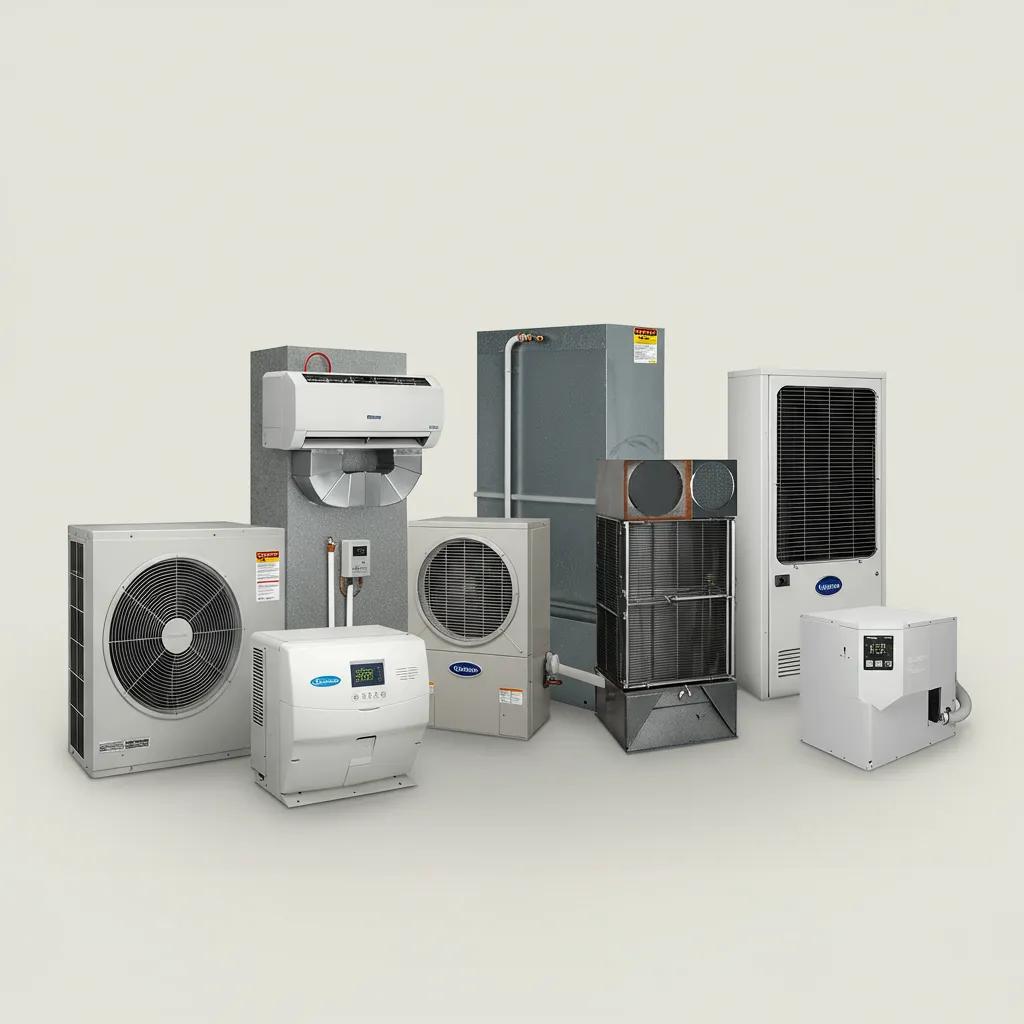
HVAC installation services in Selbyville encompass a variety of system types, all tailored to local home styles and seasonal demands, designed to deliver specific comfort and efficiency outcomes. Our technicians perform load calculations, inspect ductwork or design ductless layouts, and select equipment based on efficiency metrics such as SEER for cooling and HSPF for heat-pump heating. Our goal is to match system lifespan and noise expectations with your priorities. Proper installation emphasizes correct sizing, precise refrigerant handling, and seamless thermostat integration so your system delivers the promised energy savings and indoor air quality improvements. Below, we explain the main system types, their primary use-cases, and practical trade-offs to help you make an informed choice.
Air conditioning, furnace, heat pump, mini-split, and hybrid systems are suited for different Selbyville homes and budgets:
- AC Installation: Ideal for homes with existing ductwork that need dedicated cooling and seasonal comfort.
- Gas Furnace Installation: Perfect for homes prioritizing robust cold-weather heating and straightforward venting.
- Heat Pump Installation: An efficient choice for combined heating and cooling with significant seasonal savings in areas with moderate winter temperatures.
- Ductless Mini-Split System Installation: Well-suited for renovations, additions, or zoning without existing ductwork.
- Dual Fuel System Installation: A hybrid option combining a heat pump with a gas furnace for optimized efficiency across varying temperature extremes.
PROTECH HVAC expertly installs all the system types mentioned above, including AC installation, heat pump installation, gas furnace installation, dual fuel system installation, and ductless mini-split system installation, ensuring a perfect match for your needs and local conditions.
This comparison table summarizes the practical differences across system types to aid your decision-making process.
| System Type | Best Use-Case | Efficiency Metric | Typical Lifespan | Installation Time |
|---|---|---|---|---|
| Air Conditioner (central) | Homes with ductwork needing seasonal cooling | SEER rating for efficiency | 12–20 years | 4–8 hours (replacement) |
| Gas Furnace | Homes needing robust winter heat | AFUE (efficiency) | 15–25 years | 4–10 hours |
| Heat Pump | Year-round heating and cooling in moderate climates | SEER / HSPF | 10–20 years | 6–12 hours |
| Ductless Mini-Split | Retrofits, additions, zoning | SEER (per zone) | 10–20 years | 2–6 hours per zone |
| Dual Fuel System | Hybrid efficiency across seasons | SEER / AFUE combined | 12–20 years | 8–16 hours |
This table highlights how use-case, efficiency, and installation timeframe vary by system, setting the stage for our next topic: the detailed steps involved in specific installations.
What Does Air Conditioner Installation in Selbyville Involve?
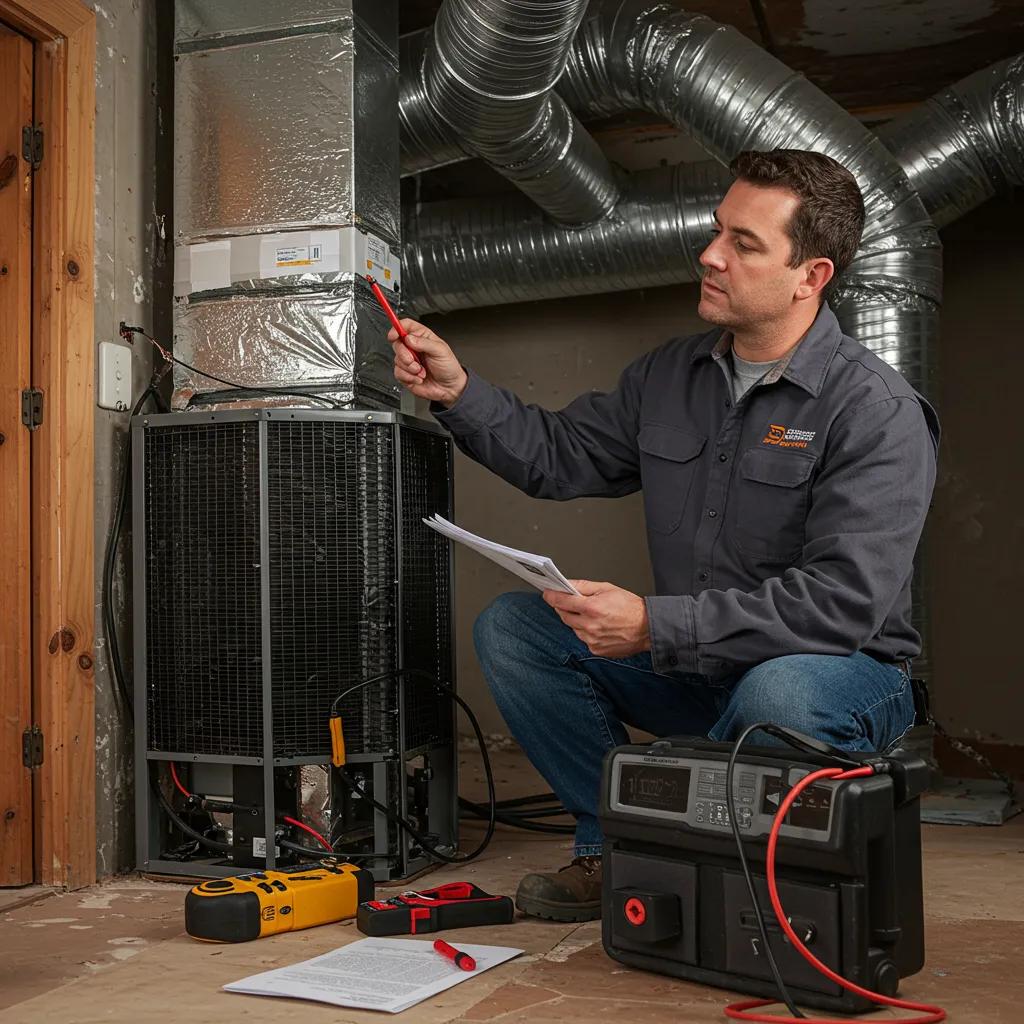
Air conditioner installation begins with a precise load calculation (Manual J) to determine the exact capacity your home needs. This is followed by an evaluation of your ductwork’s condition and airflow to ensure balanced distribution throughout your home. Our technicians will remove old equipment if necessary, carefully position the condenser and evaporator units, and connect refrigerant lines while strictly adhering to EPA Section 608 refrigerant handling rules to protect system performance. After the mechanical installation, we perform vacuum and charge procedures, calibrate your thermostat—often recommending a smart thermostat for enhanced control—and conduct commissioning tests to verify airflow, cooling capacity, and safety. Our skilled installers will also guide you through usage patterns and essential maintenance actions to guarantee your efficiency gains. This commissioning process naturally leads into considerations for proper furnace setup when heating is your priority.
How Is Furnace Installation Performed for Selbyville Homes?
Furnace installation starts with a thorough inspection of your home’s venting, gas line routing, and combustion air availability to ensure safe operation and full compliance with local codes and standards. Our installers meticulously size the furnace to meet your heating load requirements, preventing short-cycling and inefficiency. We mount the unit with appropriate clearances, connect the gas piping with rigorous leak testing, and verify flue and venting pathways for proper exhaust. Safety and combustion testing—including carbon monoxide checks and thermostat integration—confirm that your system heats reliably and safely. Our technicians will also discuss estimated run times and recommended maintenance intervals. Understanding furnace installation procedures helps homeowners prepare for installation day and choose the right maintenance plan afterward.
Why Choose Heat Pump Installation for Energy Efficiency in Selbyville?
Heat pump installation offers exceptional seasonal efficiency by transferring heat rather than generating it, providing robust cooling in the summer and efficient heating during the shoulder seasons. Key metrics like SEER and HSPF indicate the expected performance. Modern cold-climate heat pumps are increasingly suitable for cooler winter days, while still preserving the option to pair with auxiliary heat in extreme cold. Our installers focus on achieving the correct refrigerant charge, ensuring properly sized air handlers, and configuring control logic for smooth transitions between heating and cooling modes, maximizing measured energy savings. Considering a heat pump upgrade naturally leads to reviewing zoning and mini-split options for targeted efficiency improvements in specific rooms.
The efficiency of heat pumps is significantly influenced by external climate conditions, impacting their performance metrics like HSPF and SEER.
Climatic Impacts on Heating Seasonal Performance Factor (HSPF) and Seasonal Energy Efficiency Ratio (SEER) for Air-Source Heat Pumps
ABSTRACT: Fairey, Philip;Parker, Danny S;Wilcox, Bruce;Lombardi, Matthew.ASHRAE Transactions; AtlantaVol. 110,(2004): 178-188.
Climatic impacts on heating seasonal performance factor (HSPF) and seasonal energy efficiency ratio (SEER) for air-source heat pumps, P Fairey, 1994
What Are the Advantages of Ductless Mini-Split Installation in Selbyville?
Ductless mini-split installation provides flexible zoning, minimal structural disruption, and targeted energy savings by conditioning only occupied spaces rather than entire home volumes. Installation typically requires only a small wall opening for each indoor unit, a short outdoor line set, and a simple electrical connection. This reduces labor costs and avoids expensive duct modifications, especially in older homes. For additions or coastal cottages common around Selbyville, mini-splits offer efficient comfort without reworking existing ductwork. They also integrate seamlessly with smart thermostats or remote monitoring systems to optimize runtime. The reduced installation footprint and direct-room control make mini-splits a practical upgrade option for specific applications.
How Does Dual Fuel System Installation Work in Selbyville?
Dual fuel system installation expertly coordinates a heat pump with a gas furnace, allowing control logic to seamlessly switch between electric heat pump operation and gas furnace backup when conditions favor one over the other. Our installers configure thermostatic controls and sequence-of-operation settings to enable cost-optimal switching based on outdoor temperature or utility rates. We ensure safe integration of gas and electric components with proper electrical interlocks and gas connections. Dual fuel installations require careful sizing of both units and thoughtful controls setup to achieve the intended efficiency advantages while maintaining consistent comfort. This hybrid approach supports homeowners who desire the efficiency benefits of a heat pump without sacrificing reliable heat during extreme cold.
How Does PROTECH HVAC Ensure Expert Installation Services in Selbyville?
Expert installation relies on highly trained technicians, intimate knowledge of Selbyville’s housing types, the use of quality parts, and responsive service protocols designed to protect system performance and ensure homeowner peace of mind. PROTECH HVAC is a leading HVAC contractor serving Selbyville and surrounding Eastern Shore communities. Our offerings emphasize certified technicians, premium parts, warranty alignment, and 24/7 emergency repairs as key indicators of our commitment to installation excellence. During installations, our technicians adhere to best practices such as Manual J sizing, EPA refrigerant handling, and manufacturer-specific commissioning to ensure new systems meet efficiency and longevity expectations. The next subsection outlines the typical certifications and training that signify an installer’s competence.
What Certifications and Training Do PROTECH HVAC Technicians Have?
Our certified technicians typically hold industry-recognized credentials such as NATE and EPA Section 608 certification, demonstrating their expertise in system diagnosis, safe refrigerant handling, and proper installation techniques. Ongoing manufacturer training ensures our technicians can correctly install and service brand-specific equipment, protecting your warranty coverage and system reliability. A technician’s combination of formal certification and hands-on training is crucial for avoiding common installation errors like improper refrigerant charge, incorrect airflow setup, or mis-sized equipment. Understanding the role of certifications empowers homeowners to ask the right questions about who will perform their installation.
How Does Local Expertise Improve HVAC Installation in Selbyville?
Local expertise enables our installers to select systems perfectly suited to Selbyville’s coastal-influenced climate, typical home construction styles, and common duct configurations, leading to improved long-term performance and occupant comfort. Familiarity with local codes and permitting processes expedites project planning and minimizes surprises during installation. Our knowledge of regional energy patterns supports better recommendations on heat pump versus furnace trade-offs. Installers who know Selbyville homes can propose targeted IAQ upgrades and zoning strategies ideal for older cottages or newer builds, delivering more consistent comfort across all seasons. This deep local understanding directly highlights the importance of using quality parts and robust warranties for sustained value.
What Quality Parts and Warranties Does PROTECH HVAC Offer?
We exclusively use OEM parts and manufacturer-approved components to preserve designed efficiency and reliability. Reputable brands like Daikin, Mitsubishi Electric, and Trane are commonly featured in modern installations as examples of top-tier equipment. Warranty considerations—such as parts and compressor coverage—significantly impact total ownership costs. Therefore, homeowners should always request detailed warranty information and understand any registration requirements. Installers who source quality parts and clearly explain warranty terms empower homeowners to make informed decisions between upfront cost and long-term protection. Understanding warranty basics positions homeowners to effectively evaluate maintenance plans and emergency response options tied to their installation service.
How Does PROTECH HVAC Provide 24/7 Emergency Installation and Repair Services?
Our rapid-response emergency workflows prioritize immediate triage, temporary-safe fixes, and clear next-step recommendations, which can preserve a system until a planned replacement or full repair can be scheduled. A 24/7 emergency protocol typically includes remote troubleshooting whenever possible, rapid dispatch for on-site evaluation, and prioritization of safety issues such as gas leaks or electrical hazards. For homeowners facing system failure, our emergency services stabilize the situation and clearly advise whether immediate replacement is necessary or if short-term repairs will suffice. Comprehensive emergency planning complements our routine installation services and helps homeowners maintain comfort through unexpected events.
What Are the Benefits of Installing a New HVAC System in Selbyville?
Installing a new HVAC system significantly improves energy efficiency, reduces operating costs, enhances comfort and indoor air quality, and enables smart integration for superior control and diagnostics. New systems offer higher SEER and HSPF ratings, advanced air filtration, and features like variable-speed compressors and smart thermostats that dynamically optimize performance. Upgrading can also increase your home’s value and resilience to evolving energy standards, while providing access to modern maintenance and diagnostic tools that extend equipment life. The following table breaks down these benefits by metric to quantify typical improvements and support homeowner ROI considerations.
| Benefit Area | Typical Improvement | Practical Impact |
|---|---|---|
| Energy Savings | Higher SEER/HSPF ratings | Lower seasonal utility bills |
| Comfort | Variable-speed and zoning | Even temperature distribution |
| Indoor Air Quality | Advanced filtration options | Reduced allergens and particulates |
| Smart Integration | Smart thermostat and remote monitoring | Better scheduling and diagnostics |
These benefits translate into tangible homeowner advantages, leading us to a closer look at energy efficiency and bill reductions.
How Does a New HVAC System Improve Energy Efficiency and Lower Bills?
New systems enhance energy efficiency through advanced compressors, improved heat exchangers, and sophisticated controls that minimize wasted runtime and maintain tighter temperature bands. Efficiency metrics like SEER for cooling and HSPF for heat pumps quantify expected energy use improvements. Properly sized equipment avoids short-cycling, which can erode savings. Combined with sealed ductwork, adequate insulation, and smart thermostat strategies, homeowners often experience measurable reductions in seasonal energy consumption. Understanding the mechanisms behind these savings helps set realistic expectations for payback periods and guides decisions about system tier and controls.
What Comfort and Air Quality Improvements Can Homeowners Expect?
Modern HVAC systems reduce temperature stratification using variable-speed blowers and zoning capabilities, and they control humidity more effectively with matched equipment and sensible controls. Upgrading filtration—such as moving to higher-MERV filters or adding dedicated air-purification options—significantly reduces allergens and particulate matter, improving health and comfort for sensitive occupants. Additional IAQ measures like UV germicidal lights or dedicated ventilators can address mold and ventilation needs in tightly sealed homes. These comfort and IAQ gains offer value beyond mere energy savings and naturally connect to smart technology options that enhance overall control.
How Do Smart HVAC Technologies Enhance System Performance?
Smart thermostats and remote monitoring platforms empower homeowners to schedule temperature setbacks, receive fault alerts, and view energy usage trends, all of which can reduce wasted runtime and expedite fault diagnosis. Diagnostics-driven maintenance utilizes sensor data to predict component wear, enabling proactive service that prevents failures and preserves efficiency. Smart integration also supports multi-zone control and hybrid system sequencing, improving comfort while optimizing fuel and electricity usage. The ability to monitor and adjust systems remotely aligns perfectly with homeowner expectations for modern, responsive HVAC solutions.
Why Is Upgrading to Modern HVAC Systems Important for Selbyville Homes?
Upgrading prepares homes for evolving energy standards, potential incentive programs, and the broader adoption of heat-pump technology, ensuring systems remain efficient and serviceable for the next decade and beyond. Modern systems also increase resilience by offering advanced controls and diagnostic capabilities that shorten repair times and improve reliability during peak demand periods. For homes in Selbyville, where a mix of older structures and newer builds coexist, modernization supports tailored solutions that address both efficiency and local comfort needs. Understanding these drivers helps homeowners prioritize upgrades that deliver both immediate relief and long-term value.
How Much Does HVAC Installation Cost in Selbyville?
HVAC installation costs vary based on equipment choice, labor, ductwork condition, and permit requirements. Providing clear ranges helps homeowners plan while acknowledging project-specific variability. Primary cost drivers include the equipment’s efficiency tier, system complexity (zoning, dual fuel), ductwork repairs or replacements, labor rates, and permit or inspection fees. Typical ranges can be conservative and will vary with brand, home layout, and accessibility. The table below presents typical cost ranges and primary drivers to clarify expectations.
| System Type | Typical Cost Range | Primary Cost Drivers | Financing Options |
|---|---|---|---|
| Central AC Replacement | $3,500 – $8,000 | SEER rating, duct repairs, condenser location | Contractor financing, utility programs |
| Gas Furnace Installation | $2,500 – $7,000 | AFUE rating, venting work, gas line work | Payment plans, energy incentives |
| Heat Pump Installation | $4,000 – $12,000 | Cold-climate models, line sets, electrical upgrades | Loans, rebates, contractor plans |
| Ductless Mini-Split | $2,000 – $10,000 (per zone basis) | Number of zones, indoor unit type | Financing, utility programs |
This cost table clarifies expectations and highlights why obtaining an on-site estimate is essential for accurate pricing. Homeowners concerned about cost should inquire about financing and free estimate options to move forward.
What Factors Influence the Price of HVAC Installation in Selbyville?
Major price factors include equipment efficiency and brand, the extent of ductwork repair or replacement needed, structural access challenges, required electrical or gas upgrades, and local permit and inspection costs. Labor intensity increases with system complexity—multi-zone mini-splits, dual fuel sequencing, and full system change-outs require more time and coordination than simple like-for-like replacements. Additional add-ons such as upgraded filtration, smart thermostats, or zoning dampers increase upfront costs but can enhance savings and comfort. Understanding these drivers helps homeowners evaluate quotes and prioritize investments that deliver the best lifecycle value.
This bulleted list outlines the main cost drivers homeowners should review in any estimate:
- Equipment efficiency and brand selection
- Ductwork condition and required repairs
- Electrical or gas-line upgrades
- Permits, inspections, and labor complexity
What Are Typical Cost Ranges for AC, Furnace, Heat Pump, and Mini-Split Installations?
Typical cost ranges depend on system size, equipment tier, and project complexity. Lower-cost replacements utilize standard-efficiency units, while premium installations with high-efficiency equipment and smart controls represent the top end of these ranges. For instance, central AC replacement costs reflect condenser placement, required duct sealing, and efficiency rating, while heat pump prices include line set length and potential electrical upgrades. Mini-split costs scale by zone count and indoor unit style, and furnaces vary by AFUE rating and venting needs. These range explanations clarify why on-site assessments provide the most accurate quotes.
Are Financing Options Available for New HVAC System Installation?
Financing commonly includes contractor payment plans, energy-efficiency loans, and utility or state incentive programs that reduce upfront costs or provide rebates. Homeowners should always ask installers about current financing routes and qualifying criteria. Many homeowners pair financing with efficiency upgrades to achieve immediate comfort benefits while spreading payments. Some programs specifically target high-efficiency heat pumps or whole-home replacements. PROTECH HVAC offers free estimates and can discuss financing options during the quoting process to help homeowners evaluate monthly costs versus long-term savings. Inquiring about available programs during your estimate streamlines the decision-making process.
How Can Homeowners Prepare for HVAC Installation in Selbyville?
Preparing for installation minimizes delays and ensures our technicians can complete the work efficiently, delivering the promised system performance on schedule. Pre-installation preparation includes ensuring clear access to equipment locations, gathering documentation about your existing system, and scheduling a convenient installation window while planning for potential noise and temporary disruptions. The checklist below outlines practical steps to ready your home and family for installation day, along with the maintenance actions to follow in the first year to protect your new system.
Homeowner installation-prep checklist:
- Provide access and clear work areas: Remove any obstructions around the furnace, air handler, and outdoor condenser areas.
- Gather system information: Have make/model details or approximate system age available for the estimator.
- Plan for pets and occupants: Secure pets and prepare to limit foot traffic near work zones during installation.
- Confirm permits and approvals: Verify whether the installer will obtain necessary permits and inspections.
- Discuss post-install maintenance: Schedule the first follow-up and learn filter replacement intervals.
Completing this checklist helps our installers focus on the technical tasks at hand and leads into a clearer understanding of the typical installation timeline.
What Should You Expect During the HVAC Installation Process?
On installation day, our crews typically stage tools and equipment, remove old components, install new indoor and outdoor units, connect controls and refrigerant or gas lines, and perform comprehensive commissioning tests to verify performance and safety. Homeowners can expect some noise and temporary disruption while crews work, but our professional teams prioritize containment, cleanliness, and thorough system testing before leaving the site. After mechanical checks and control setup are complete, technicians will walk you through system operation, basic maintenance, and warranty registration steps. Clear communication throughout the installation process minimizes surprises and sets expectations for follow-up maintenance.
How Long Does a Typical HVAC Installation Take in Selbyville?
Simple like-for-like replacements often complete within a single workday—typically 4–10 hours—depending on the system type and site access. However, full system change-outs, dual fuel installations, or extensive ductwork modifications can span multiple days. Mini-split installations per zone may take several hours per indoor unit, while complex hybrid or multi-zone installs require additional coordination and tuning. Our installers provide time estimates during the quoting process and will update homeowners on any scheduling adjustments, which helps in planning for necessary accommodations during multi-day projects.
What Maintenance Should Follow a New HVAC Installation?
Initial post-install maintenance includes a commissioning follow-up within the first season to verify system balance, refrigerant charge, and control settings, and to address any operating questions. Ongoing maintenance typically involves seasonal inspections, regular filter changes, and annual professional tune-ups to preserve efficiency and catch early component wear. Many homeowners enroll in maintenance plans that schedule visits and provide priority service, which helps protect warranties and extend equipment life. Establishing a consistent maintenance rhythm immediately after installation maximizes your system’s reliability and long-term value.
What Are Common Questions About HVAC Installation Services in Selbyville?
Homeowners frequently inquire about scheduling, signs indicating replacement needs, emergency service availability, and the brands and systems an installer supports. Concise answers help guide your next steps toward an accurate estimate and installation plan. Clear scheduling steps and preparation details reduce estimate variability, while understanding replacement indicators and emergency triage options helps prioritize action when systems degrade. The subsections below address these common concerns and guide homeowners through practical decision points.
How Do I Schedule Expert HVAC Installation Services in Selbyville?
To schedule installation services, request an on-site estimate that includes a Manual J load calculation, duct assessment, and a written proposal detailing equipment, scope, timeline, and warranty terms. Be prepared to share system information such as the existing equipment’s age, any recent repair history, and your preferences for efficiency or smart controls to help the estimator tailor recommendations. A transparent estimate process involves discussing financing options and potential incentives, enabling homeowners to compare proposals on a like-for-like basis. Clear scheduling and documentation minimize surprises and allow installations to proceed on the agreed timeline.
What Signs Indicate My HVAC System Needs Replacement?
Common indicators that your HVAC system needs replacement include its age nearing the end of its typical lifespan, steadily rising energy bills despite regular maintenance, frequent repairs with increasing costs, inconsistent comfort or an inability to maintain set temperatures, and safety issues such as cracked heat exchangers or refrigerant leaks. When systems become unreliable or require expensive repairs, replacement often yields better lifecycle value through improved efficiency and reduced downtime. Recognizing these signs early allows homeowners to plan replacements during non-emergency windows, which can reduce premium costs and enable better equipment selection.
Quick diagnostic signs to watch for:
- System age and frequent repairs
- Rising utility bills without usage changes
- Uneven temperatures and poor humidity control
Do You Offer Emergency HVAC Installation Services in Selbyville?
Emergency services typically prioritize safety and immediate repairs to restore heating or cooling, with full replacements scheduled when necessary and feasible. Our emergency response focuses on temporary-safe fixes, triage, and clear next-step recommendations. Homeowners can expect an initial assessment, temporary measures to stabilize conditions, and a plan for prompt replacement or comprehensive repair if needed. Clear communication regarding the emergency scope, timeline, and estimated costs helps homeowners make informed choices under pressure. Emergency readiness complements routine maintenance and helps avoid crisis-driven replacements whenever possible.
What Brands and HVAC Systems Does PROTECH HVAC Install?
PROTECH HVAC installs a wide range of commonly preferred residential brands and system categories, matching equipment selection to your home’s requirements, warranty considerations, and homeowner priorities. Brand examples used in our modern installations include Daikin, Mitsubishi Electric, and Trane as representative manufacturers that align with different efficiency and application needs. Our installers guide homeowners through brand selection by explaining performance metrics, parts availability, and warranty implications, ensuring the chosen system aligns with your long-term goals. Understanding brand differences supports confident decision-making during the estimate and selection process.
Why Choose PROTECH HVAC for Your New HVAC System Installation in Selbyville?
Selecting the right installer combines technical competence, local knowledge, and robust post-installation support to ensure a reliable, efficient system and sustained comfort for your home. PROTECH HVAC is a trusted HVAC company based in Selbyville, serving surrounding Eastern Shore communities in Delaware and Maryland. Our emphasis on certified technicians, quality parts and warranties, comprehensive services including new system installation and replacement, and 24/7 emergency repairs positions us as your local installation partner for dependable outcomes. Additionally, PROTECH HVAC’s Women’s Business Enterprise status provides an added layer of credibility and a community-oriented perspective for customers evaluating suppliers. The following subsections examine the value of certification, common customer feedback themes, and post-install support options that homeowners should expect.
How Does PROTECH HVAC’s Women’s Business Enterprise Certification Benefit Customers?
Women’s Business Enterprise certification serves as a valuable credibility signal, particularly for procurement, diversity-focused projects, and building community trust. It indicates that the company meets defined ownership and management criteria and can support customers seeking diverse suppliers. For homeowners and organizations prioritizing supplier diversity, this certification provides assurance of formal recognition and a business identity aligned with inclusive procurement practices. The certification also underscores a commitment to professional standards and community engagement, complementing our technical capabilities during selection and installation. Recognizing this value helps homeowners weigh broader benefits beyond technical performance.
What Do Selbyville Customers Say About PROTECH HVAC Installation Services?
Homeowner feedback typically highlights themes such as reliable scheduling, thorough commissioning, clear explanations about equipment and maintenance, and responsive service during follow-up—all attributes to look for when choosing an installer. Presenting aggregated testimonial themes with proper review schema strengthens trust and helps prospective customers focus on measurable outcomes like reduced energy use, improved comfort, and streamlined warranty support. Encouraging transparent review presentation and documented case outcomes helps future customers evaluate expected installation experiences and post-install care.
How Does PROTECH HVAC Support You After Installation?
Post-installation support should include warranty handling, scheduled follow-up commissioning checks, and optional maintenance plans that provide seasonal tune-ups and priority service. These touchpoints are crucial for preserving equipment performance and extending lifecycle value. PROTECH HVAC offers comprehensive services and 24/7 emergency repairs as part of our service portfolio. Homeowners should confirm maintenance plan details and service response expectations during the estimate process. Clear post-install pathways and documented maintenance schedules reduce long-term ownership costs and ensure your systems continue to meet performance expectations.
Frequently Asked Questions
What should I consider when choosing an HVAC system for my home?
When selecting an HVAC system, consider factors such as your home’s size, insulation, and existing ductwork. Evaluate the efficiency ratings (SEER for cooling and HSPF for heating) to ensure energy savings. Additionally, think about your climate needs, budget, and whether you prefer a traditional system or a more modern option like a heat pump or ductless mini-split. Consulting with a professional can help tailor the best solution for your specific requirements.
How can I improve the efficiency of my existing HVAC system?
Improving the efficiency of your existing HVAC system can be achieved through regular maintenance, such as changing filters, cleaning ducts, and scheduling annual professional tune-ups. Additionally, consider upgrading to a smart thermostat for better temperature control and energy management. Sealing any leaks in ductwork and ensuring proper insulation can also enhance system performance, leading to lower energy bills and improved comfort.
What are the signs that my HVAC system needs repair?
Signs that your HVAC system may need repair include unusual noises, inconsistent temperatures, increased energy bills, and poor airflow. If you notice any strange smells, such as burning or musty odors, it could indicate a serious issue. Additionally, frequent cycling on and off or a system that fails to start can signal the need for professional inspection and repair to prevent further damage.
How often should I schedule maintenance for my HVAC system?
It is recommended to schedule maintenance for your HVAC system at least once a year, ideally twice—once for heating and once for cooling. Regular maintenance helps ensure optimal performance, extends the lifespan of your system, and can prevent costly repairs. During these visits, technicians will check and clean components, replace filters, and ensure that the system operates efficiently, keeping your home comfortable year-round.
What financing options are available for HVAC installation?
Many HVAC companies offer various financing options to help homeowners manage the cost of installation. These may include payment plans, energy-efficiency loans, and rebates from utility companies or state programs. It’s advisable to discuss financing options with your installer during the estimate process to find a plan that fits your budget and allows you to invest in a new, efficient system without financial strain.
Can I install an HVAC system myself, or should I hire a professional?
While some homeowners may consider DIY installation, it is highly recommended to hire a professional HVAC technician. Proper installation requires knowledge of local codes, safety regulations, and technical skills to ensure the system operates efficiently and safely. Professional installers also provide warranties and guarantees, which can protect your investment and ensure compliance with manufacturer specifications.
What should I do if my HVAC system breaks down?
If your HVAC system breaks down, the first step is to check the thermostat settings and ensure that the system is receiving power. If the issue persists, contact a professional HVAC technician for an emergency assessment. Many companies offer 24/7 emergency services to address urgent issues. Avoid attempting to fix complex problems yourself, as this can lead to further damage or safety hazards.